
Public Speaking Challenges: Overcoming Fear as a Leader
Understanding the Fear of Public Speaking
Public speaking is a common fear among many leaders, yet it remains an essential skill for effective leadership. The anxiety associated with speaking in front of an audience can be overwhelming, often leading to avoidance. Understanding the root of this fear is the first step toward conquering it. Typically, it stems from a fear of judgment, failure, or simply the unknown.
Identifying these fears can help leaders develop a strategy to address them. It's crucial to remember that even the most experienced speakers started somewhere. Acknowledging this can be empowering and motivating.
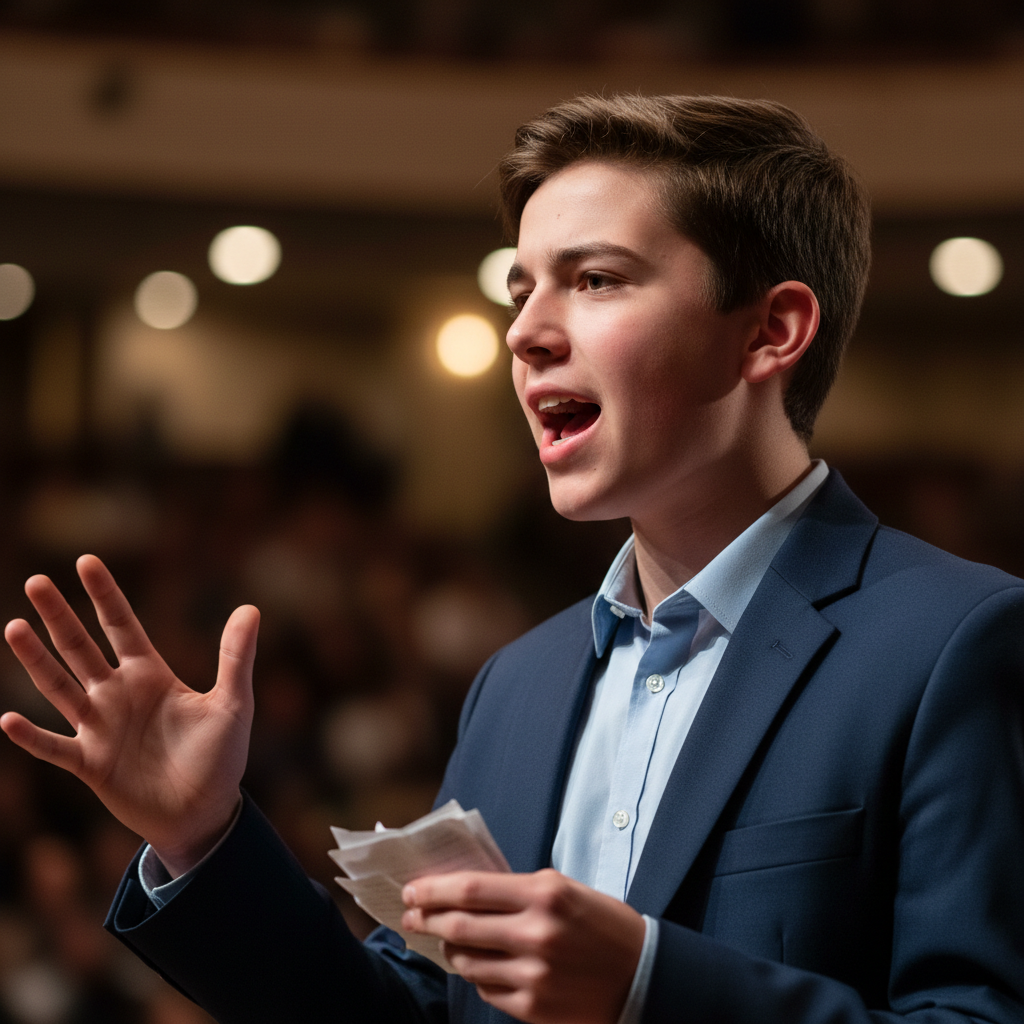
Building Confidence Through Preparation
Preparation is key to overcoming the fear of public speaking. A well-prepared speech can significantly reduce anxiety. This involves knowing your material inside and out, anticipating questions, and rehearsing thoroughly. When you feel prepared, your confidence naturally increases, allowing you to focus more on delivery rather than anxiety.
Practice in front of friends or colleagues who can provide constructive feedback. This not only helps refine your presentation but also simulates the experience of speaking to an audience, making the real event less intimidating.
Developing a Strong Opening
The opening of your speech sets the tone for the entire presentation. A powerful introduction can capture your audience's attention and boost your confidence. Consider starting with a compelling story, a surprising fact, or a thought-provoking question. Engaging your audience from the outset can help you feel more connected and less anxious.

Techniques for Calming Nerves
Even with thorough preparation, it's natural to feel nervous. Learning techniques to calm these nerves can make a significant difference. Deep breathing exercises, visualization, and positive affirmations are effective methods to reduce anxiety. Taking slow, deep breaths before and during your presentation can help center your mind and body.
Visualization involves imagining a successful presentation, focusing on positive outcomes rather than potential failures. Affirmations, on the other hand, are positive statements that reinforce your confidence and capabilities.
Engaging with Your Audience
Engagement not only makes your presentation more interesting but also shifts focus away from your anxiety. Eye contact, interactive questions, and humor can make your audience feel involved and make you feel more at ease. When you see your audience responding positively, it reinforces your confidence.

Embracing Mistakes and Learning from Them
No presentation is ever perfect, and mistakes are part of the learning process. Embracing these mistakes rather than fearing them can drastically reduce anxiety. If you stumble over words or forget a point, pause, take a breath, and continue. The audience is often more forgiving than you might think.
Reflecting on each speaking experience, whether successful or challenging, provides valuable insights. Use these reflections to improve future presentations and build resilience against fear.
Continuous Improvement and Practice
Like any skill, public speaking improves with practice. Regularly seeking opportunities to speak, whether in small meetings or larger conferences, helps desensitize the fear. With each experience, confidence grows, and fear diminishes.
Consider joining public speaking groups or workshops to practice in a supportive environment. These settings offer a safe space to experiment with new techniques and receive feedback from peers.

Conclusion: The Journey to Fearless Leadership
Overcoming the fear of public speaking is a journey, not a destination. As leaders, embracing this journey can lead to personal growth and more effective communication. By understanding your fears, preparing diligently, engaging with your audience, and learning from each experience, you can transform anxiety into confidence.
Remember, every great speaker once faced the same challenges. With persistence and practice, you too can become a fearless leader in public speaking.