
Ethical Leadership in the Modern Business World: Trends and Insights
In today's rapidly evolving business landscape, ethical leadership has emerged as a crucial element for success. As companies face increasing scrutiny from consumers, investors, and regulatory bodies, leaders are under pressure to not only deliver financial performance but also uphold ethical principles. This trend is reshaping how businesses operate and interact with their stakeholders.
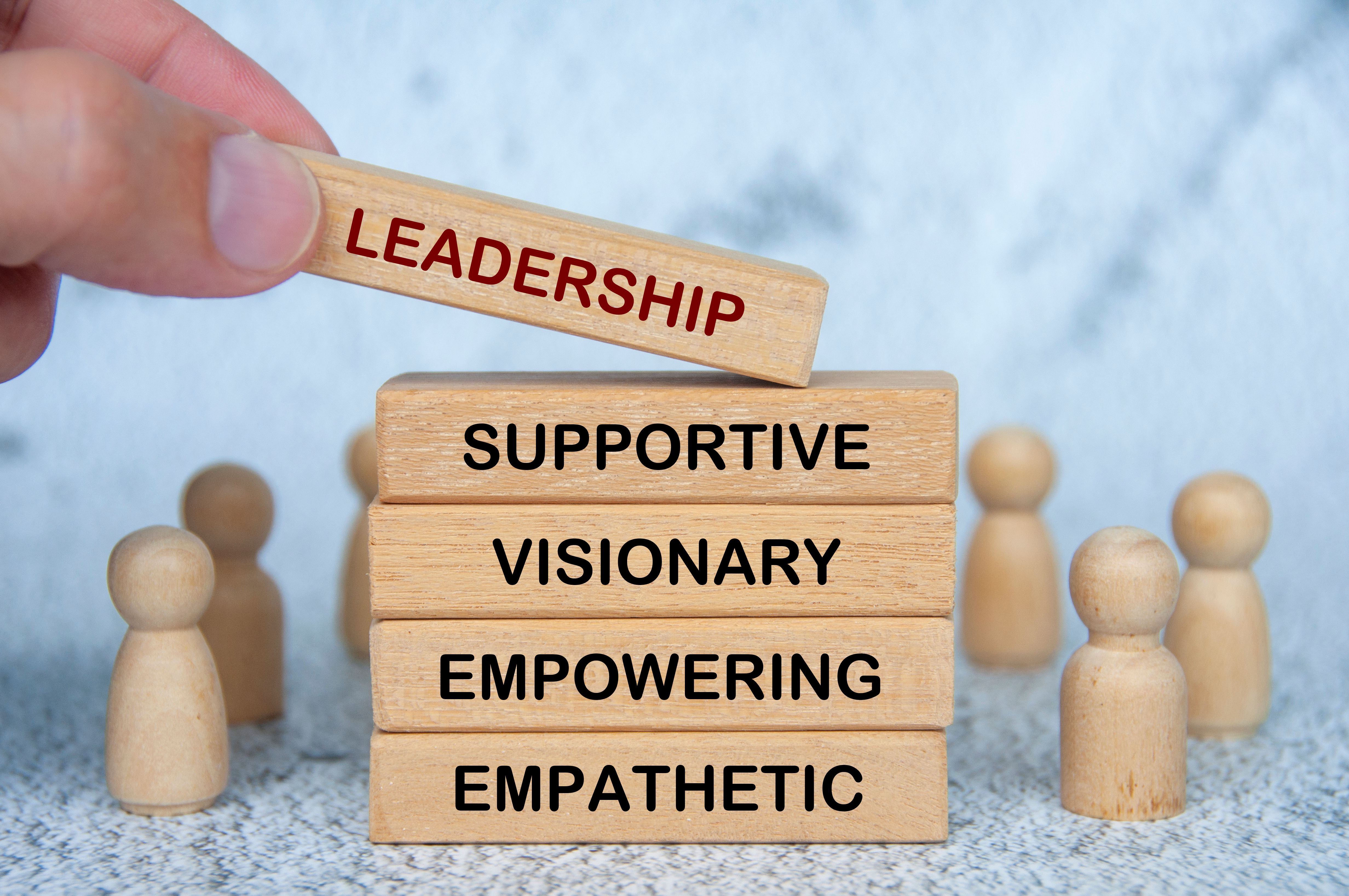
The Rise of Ethical Leadership
The demand for ethical leadership has grown significantly in recent years. Factors such as globalization, social media, and heightened awareness of social issues have pushed businesses to prioritize integrity and transparency. Leaders who embrace ethical practices can build trust and foster a positive corporate culture, which can lead to increased employee satisfaction and customer loyalty.
By setting clear ethical standards, leaders can guide their organizations through complex challenges. This not only benefits the company internally but also enhances its reputation externally, positioning it as a responsible and trustworthy entity in the market.
Key Trends in Ethical Leadership
Several key trends are shaping the future of ethical leadership. Understanding these trends can help businesses stay ahead in a competitive environment:
- Transparency and Accountability: Businesses are increasingly adopting open communication practices to ensure transparency. This includes clear reporting on company performance and decision-making processes.
- Emphasis on Diversity and Inclusion: Ethical leaders are championing diversity and inclusion, recognizing that varied perspectives drive innovation and better decision-making.
- Sustainability and Corporate Responsibility: Companies are focusing on sustainable practices and corporate social responsibility to address environmental and social challenges.

Insights from Ethical Leaders
Insights from ethical leaders reveal that fostering a culture of integrity requires commitment at all levels of an organization. Leaders must model ethical behavior and encourage open dialogue about ethical dilemmas. By doing so, they empower their teams to make principled decisions even in difficult situations.
Moreover, ethical leaders often engage in continuous education and reflection to enhance their understanding of ethical issues and improve their leadership skills. This personal growth journey is essential for navigating the complexities of modern business.
The Impact on Business Performance
Ethical leadership is not just about doing the right thing; it also has a tangible impact on business performance. Companies that prioritize ethics often experience:
- Improved Brand Reputation: Ethical practices enhance a company's image and attract customers who value corporate responsibility.
- Increased Employee Engagement: A strong ethical culture boosts morale and encourages employees to contribute their best efforts.
- Long-term Success: Ethical leadership fosters sustainable growth by building lasting relationships with stakeholders.
Challenges and Opportunities
While the benefits of ethical leadership are clear, implementing these practices can be challenging. Leaders may face resistance to change or struggle with balancing short-term goals with long-term ethical commitments. However, these challenges also present opportunities for growth and innovation.
By embracing ethical leadership, businesses can differentiate themselves from competitors, attract top talent, and create a positive impact on society. As the business world continues to evolve, the role of ethical leadership will only become more critical in shaping a sustainable future.