
Building a Strong Leadership Foundation: The Role of Ethics
Understanding the Importance of Ethics in Leadership
In today's rapidly changing world, the need for ethical leadership has never been more crucial. Leaders who build their foundation on strong ethical principles are more likely to earn the trust and respect of their teams, stakeholders, and communities. Ethics in leadership ensures that decisions are made with integrity, fairness, and accountability.
Ethical leaders create a workplace culture that promotes honesty and transparency. They lead by example, setting standards for behavior that align with the organization's values and mission. This alignment fosters a sense of shared purpose and drives collective success.
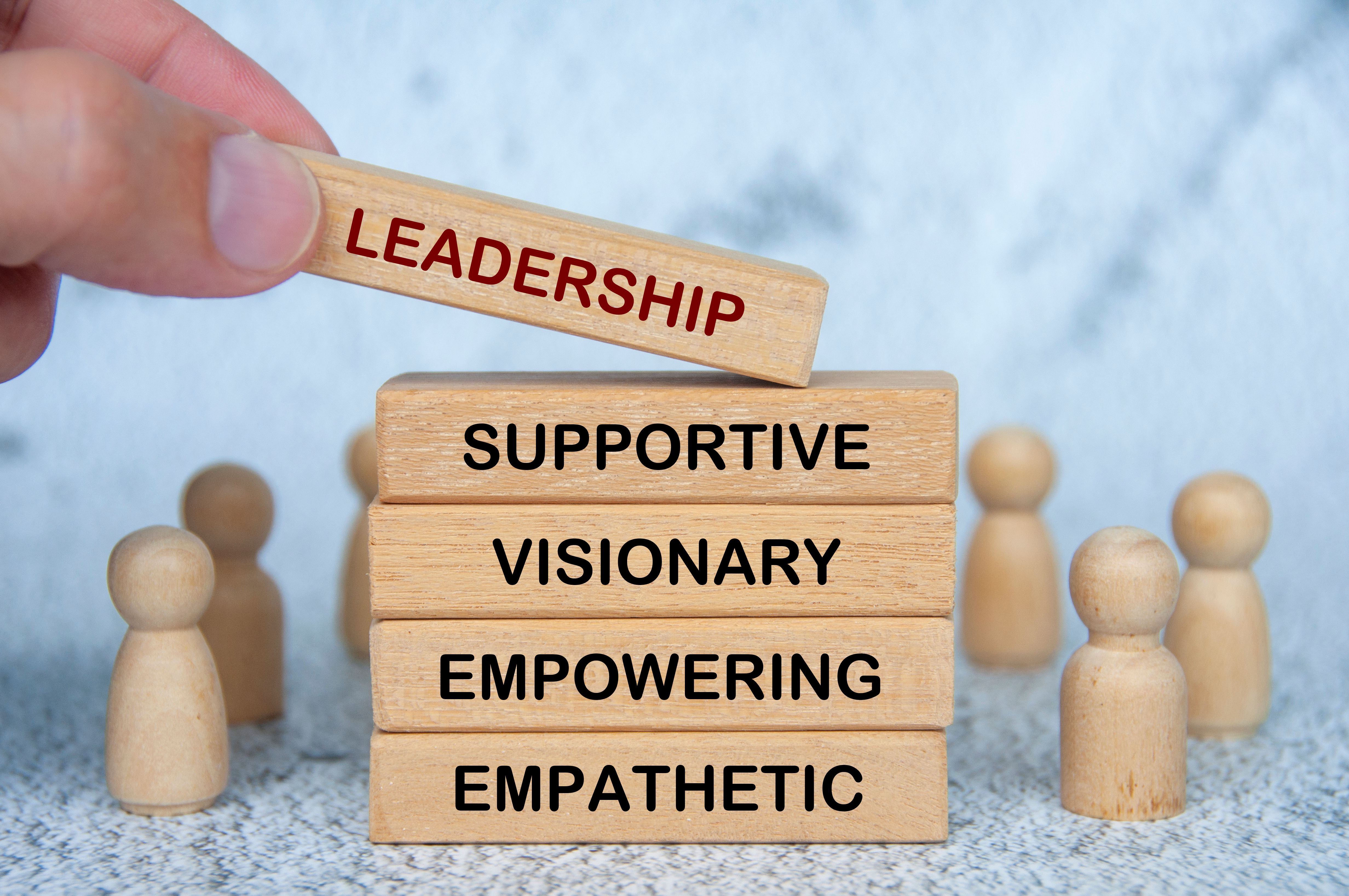
Core Principles of Ethical Leadership
At the heart of ethical leadership are core principles that guide decision-making and interactions. These principles include:
- Integrity: Acting consistently with values and principles.
- Respect: Valuing the dignity and worth of every individual.
- Responsibility: Being accountable for one's actions and decisions.
- Fairness: Ensuring justice and equality in decision-making.
These principles form the backbone of ethical leadership, enabling leaders to navigate complex challenges with confidence and clarity.
Building Trust through Ethical Leadership
Trust is the cornerstone of effective leadership. Without it, leaders struggle to inspire and motivate their teams. Ethical leaders build trust by consistently demonstrating their commitment to ethical standards. They communicate openly, listen actively, and make decisions that reflect the best interests of all stakeholders.

By fostering an environment of trust, ethical leaders empower their teams to take initiative, innovate, and collaborate more effectively. This, in turn, drives organizational success and resilience.
Challenges in Upholding Ethical Standards
While the benefits of ethical leadership are clear, maintaining high ethical standards can be challenging. Leaders may face pressure to compromise their values in pursuit of short-term gains or to conform to unethical industry practices. However, true leaders remain steadfast in their commitment to ethics, even when faced with adversity.
Developing a strong ethical foundation requires ongoing reflection, learning, and adaptation. Leaders must continuously evaluate their actions and decisions, seeking feedback and making adjustments as needed.

The Role of Ethics in Long-term Success
Ethical leadership is not just about doing the right thing; it's a strategic advantage that contributes to long-term success. Organizations led by ethical leaders tend to experience higher employee engagement, customer loyalty, and brand reputation. These factors are essential for sustained growth and profitability.
By prioritizing ethics, leaders can create a positive legacy that benefits not only their organization but society as a whole. This holistic approach to leadership ensures that ethical considerations remain at the forefront of strategic decision-making.
Conclusion: The Path Forward
Building a strong leadership foundation rooted in ethics is an ongoing journey. It requires dedication, courage, and a clear vision of the values that guide decision-making. As we look to the future, the role of ethics in leadership will only continue to grow in importance.
By embracing ethical principles and leading with integrity, leaders can pave the way for a more just, equitable, and prosperous world. This commitment to ethics is not only the right thing to do; it's the smart thing to do.